
The New Independent state after half century in war and still in crisis..
Thursday, December 19, 2013


South Sudan Army Loses Control of Northern Town
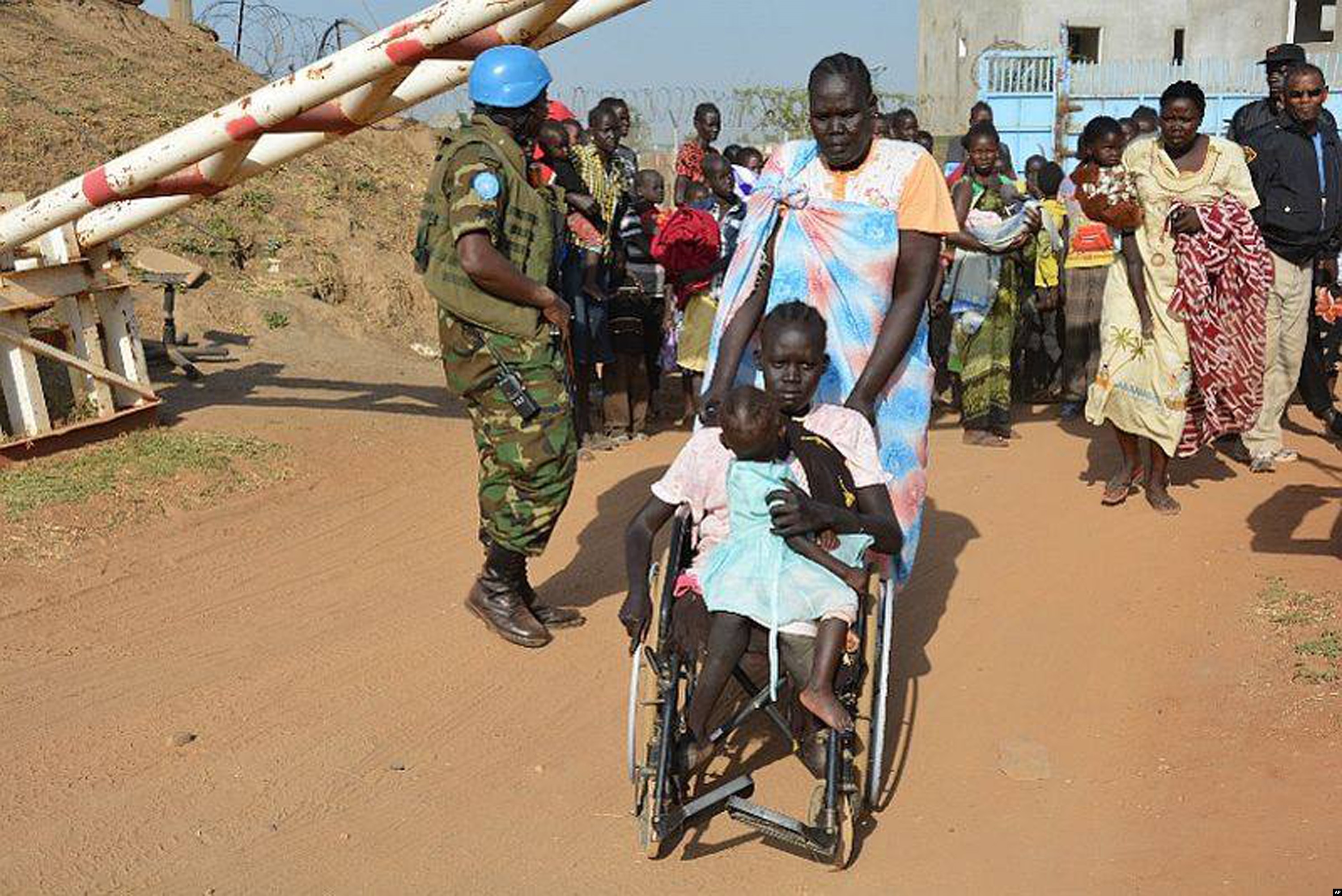
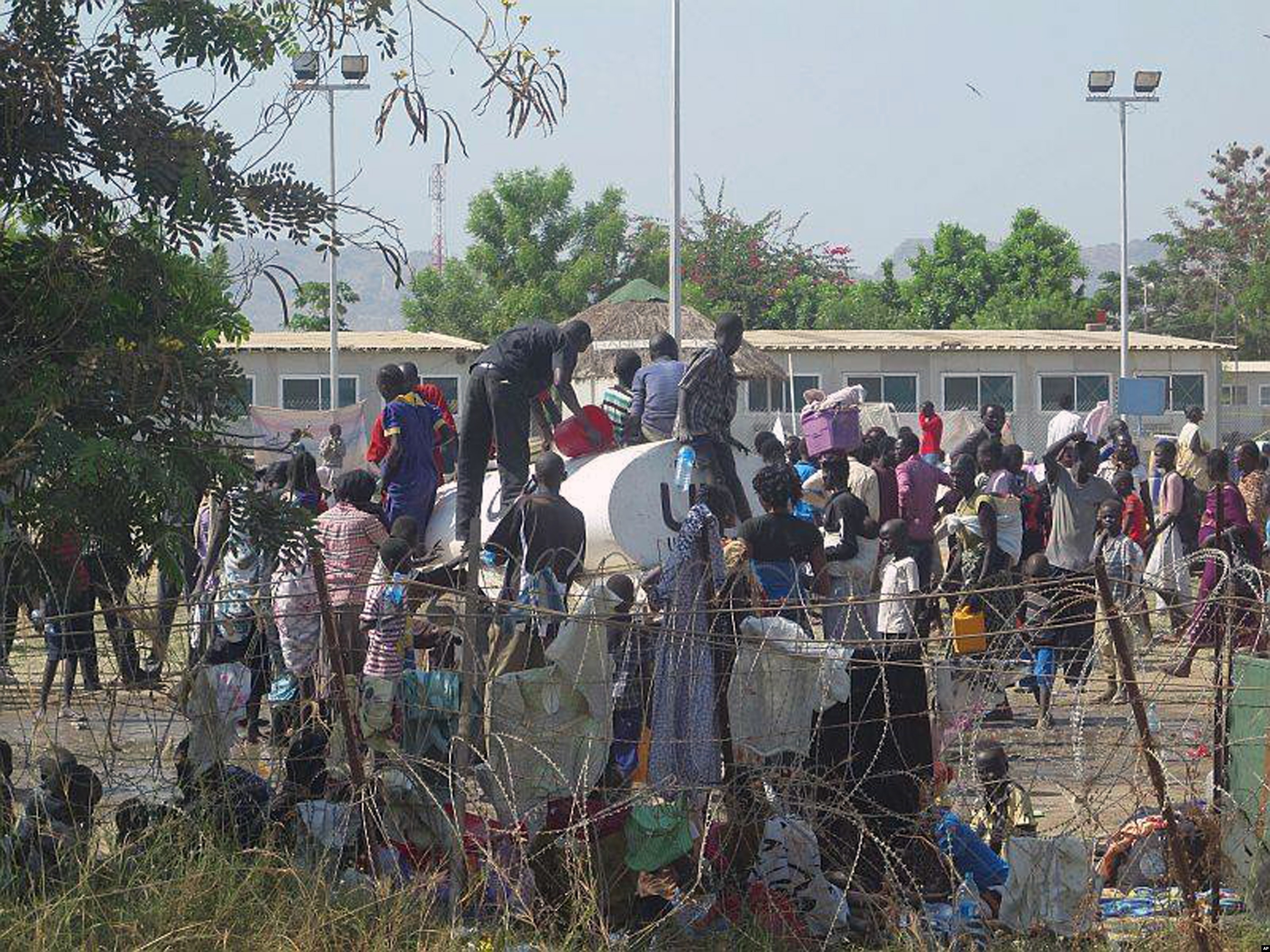
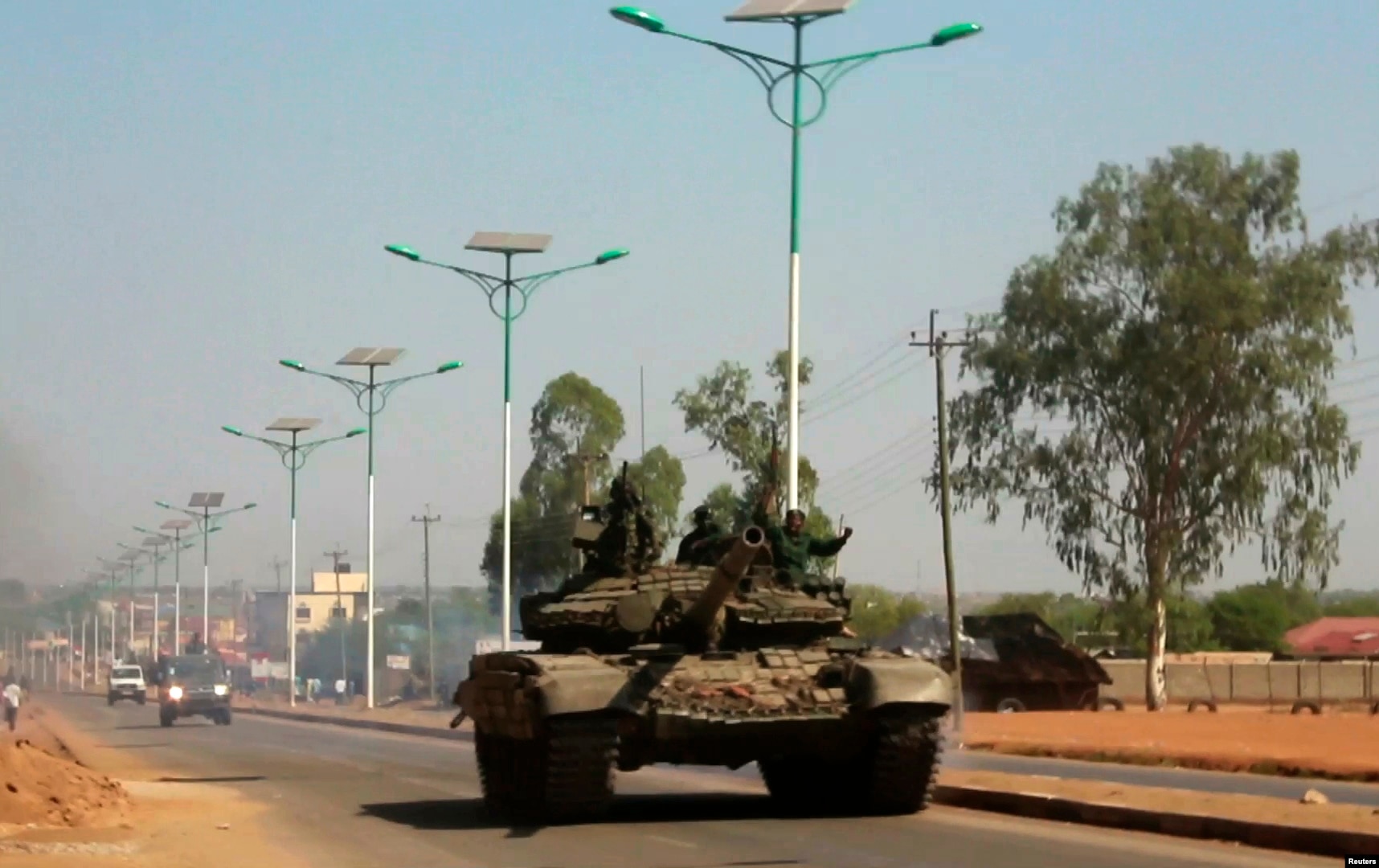
Violence in South Sudan


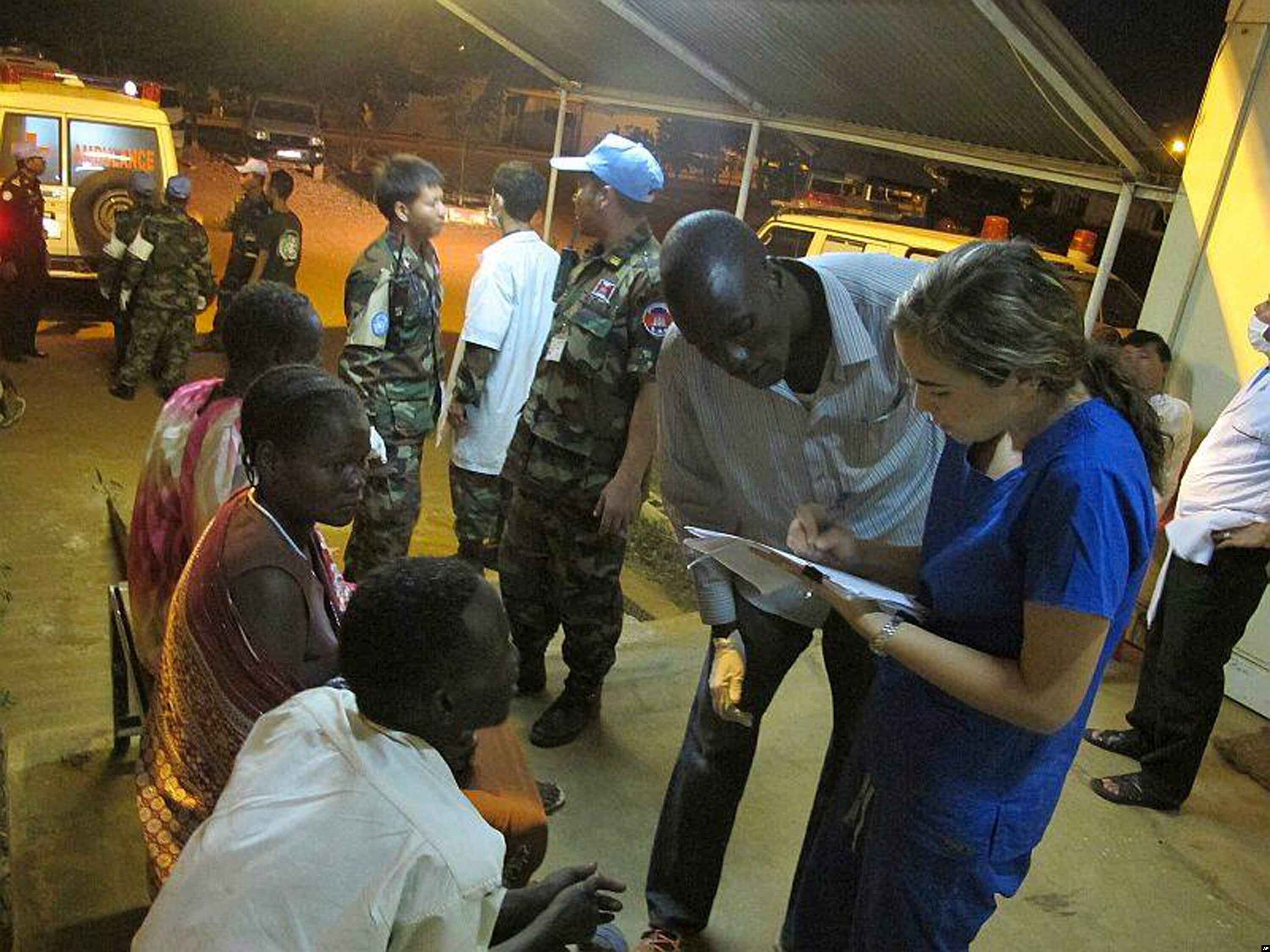
South Sudan's military announeced that it is no longer in control of Bor, a town north of the capital, after fighting spread there following what the government has called an attempted coup. The South Sudan Red Cross says 19 civilians have been killed in the town.
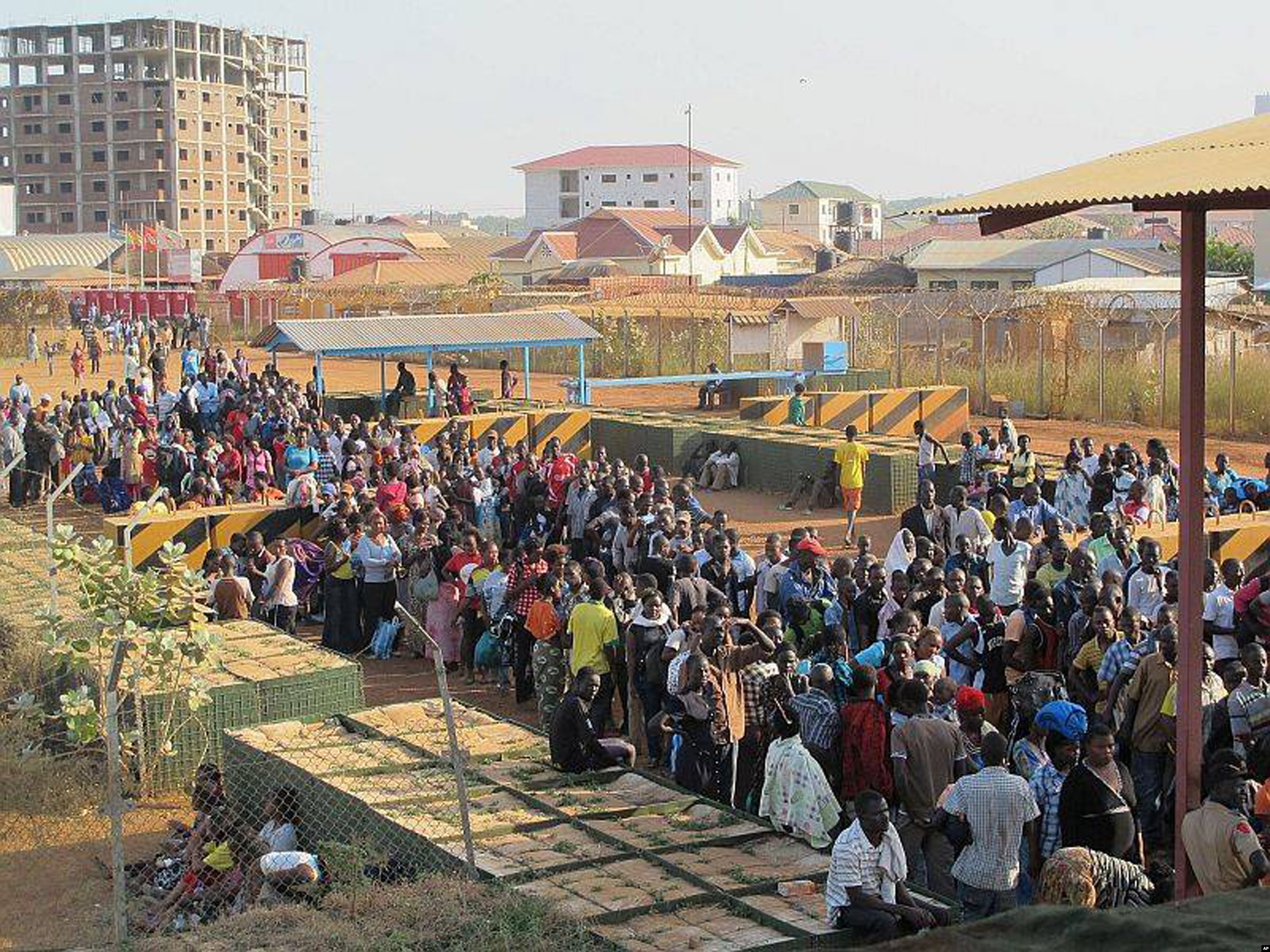
Meanwhile, the country's information ministry reported that security forces are in "absolute control" of the situation in Juba, the capital. The government says 500 people have been killed there, with at least another 700 wounded since clashes began Sunday.
 Bor, South Sudan
President Salva Kiir blames the alleged coup attempt on forces loyal to his former vice president, Riek Machar, whom he fired in July. Kiir said Wednesday he is willing to hold talks with Machar.
United Nations Secretary-General Ban Ki-moon has urged the president to engage with his opponents and cooperate with the U.N.
"This is a political crisis, and urgently needs to be dealt with through political dialogue. There is a risk of this violence spreading to other states, and we have already seen some signs of this," said Ban.
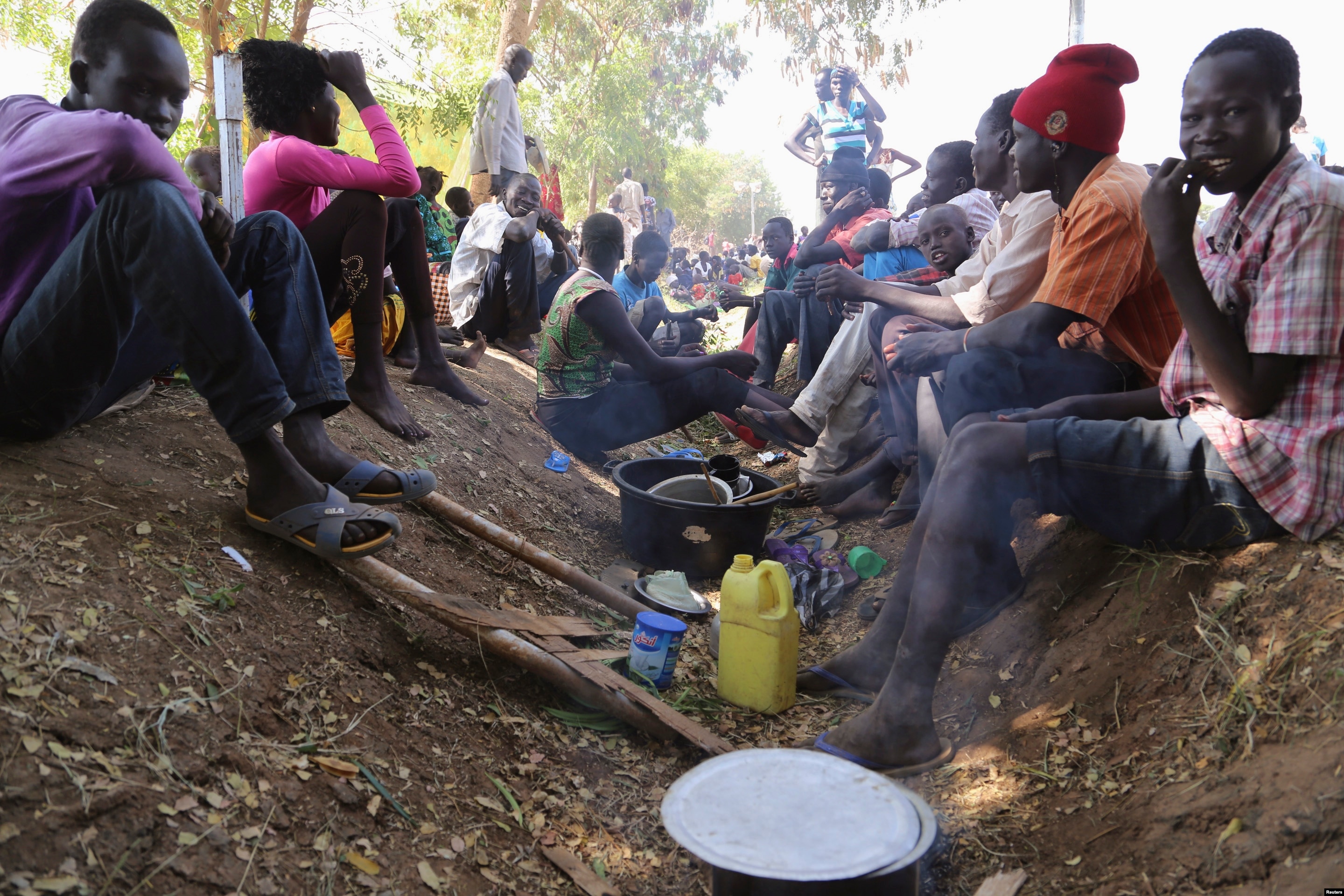
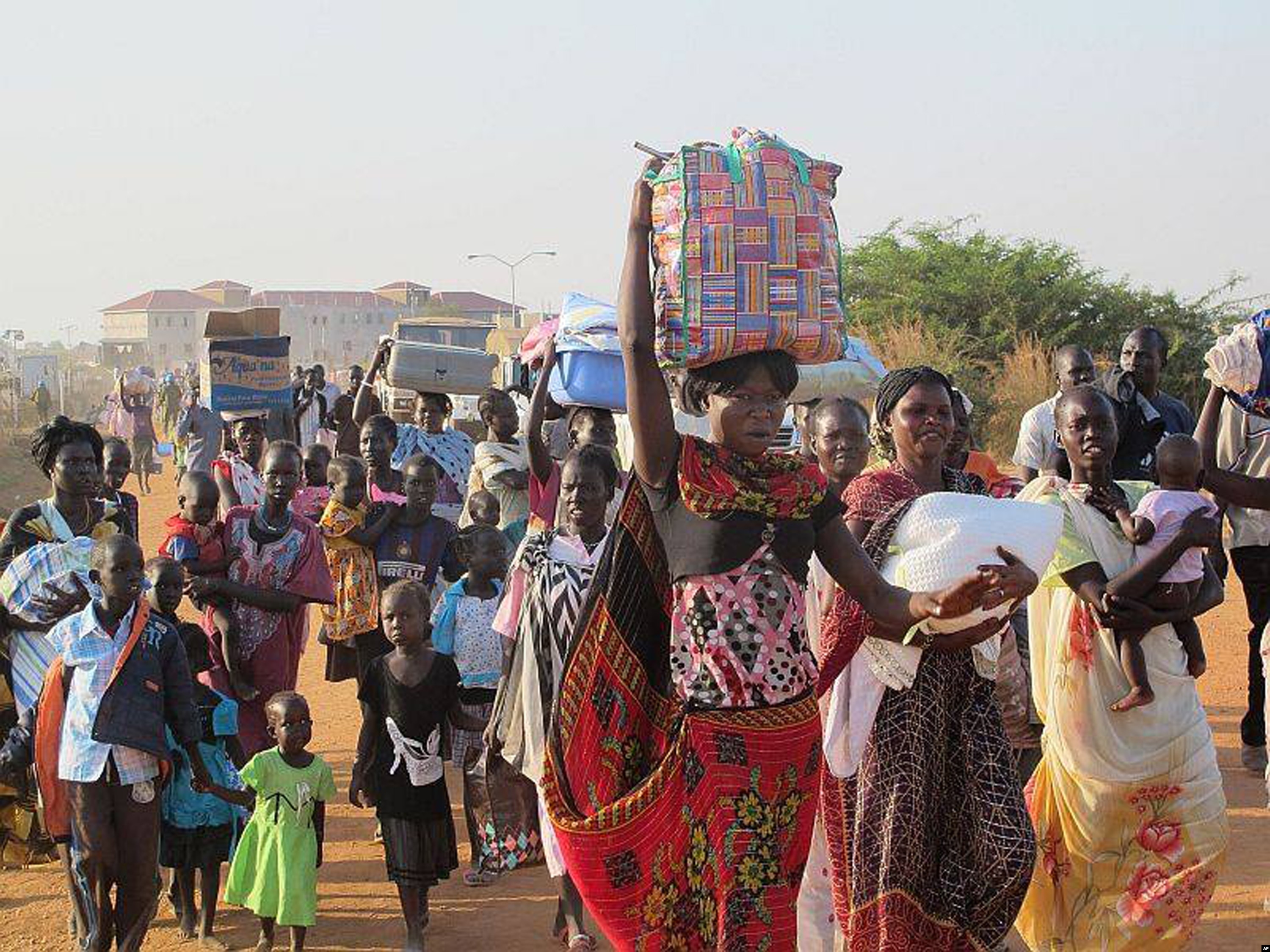
Ban also said on Wednesday that as many as 20,000 people have taken refuge with the U.N. mission in Juba. South Sudanese officials have urged residents to return to their homes following the deadly clashes.
The International Committee of the Red Cross, however, says many civilians are "too scared to go home."
ICRC spokesperson Cynthia Lee told VOA the two main hospitals in Juba are overstretched as they attempt to deal with the influx of fighting casualties. She said her group has delivered wound dressing materials and medicine to treat the victims at the hospitals.
Observers have raised concerns that a rift between Machar, from the Nuer ethnic group, and Kiir, a Dinka, could fuel tribal violence in South Sudan.
South Sudan's government said 10 people have been arrested for their alleged roles in the coup attempt, but Machar remains at large.
Britain announced that it is withdrawing some embassy staff from South Sudan after the fighting spread to areas beyond the capital, but the embassy will remain open.
The U.S. State Department said it has evacuated three groups of American citizens from South Sudan, and at least one other evacuation has been organized for Thursday.
Ambassador Susan Page met Wednesday with President Kiir in Juba to discuss U.S. concerns about the continued violence, increasing death toll and growing humanitarian challenges.
Meanwhile, the country's information ministry reported that security forces are in "absolute control" of the situation in Juba, the capital. The government says 500 people have been killed there, with at least another 700 wounded since clashes began Sunday.
Bor, South SudanPresident Salva Kiir blames the alleged coup attempt on forces loyal to his former vice president, Riek Machar, whom he fired in July. Kiir said Wednesday he is willing to hold talks with Machar.
United Nations Secretary-General Ban Ki-moon has urged the president to engage with his opponents and cooperate with the U.N.
"This is a political crisis, and urgently needs to be dealt with through political dialogue. There is a risk of this violence spreading to other states, and we have already seen some signs of this," said Ban.
Ban also said on Wednesday that as many as 20,000 people have taken refuge with the U.N. mission in Juba. South Sudanese officials have urged residents to return to their homes following the deadly clashes.
The International Committee of the Red Cross, however, says many civilians are "too scared to go home."
ICRC spokesperson Cynthia Lee told VOA the two main hospitals in Juba are overstretched as they attempt to deal with the influx of fighting casualties. She said her group has delivered wound dressing materials and medicine to treat the victims at the hospitals.
Observers have raised concerns that a rift between Machar, from the Nuer ethnic group, and Kiir, a Dinka, could fuel tribal violence in South Sudan.
South Sudan's government said 10 people have been arrested for their alleged roles in the coup attempt, but Machar remains at large.
Britain announced that it is withdrawing some embassy staff from South Sudan after the fighting spread to areas beyond the capital, but the embassy will remain open.
The U.S. State Department said it has evacuated three groups of American citizens from South Sudan, and at least one other evacuation has been organized for Thursday.
Ambassador Susan Page met Wednesday with President Kiir in Juba to discuss U.S. concerns about the continued violence, increasing death toll and growing humanitarian challenges.
Tuesday, December 17, 2013
Sunday, December 8, 2013
Ethiopia Agree with Sudan on Establishment of Free Trade Zone and stop former opposition infiltrating though their Joint Borders
Sudan and Ethiopia have agreed on establishment of a free trade and economic zone at the joint border between the two countries, half of it is to be inside Sudan and the other half is to be in Ethiopia, with the aim to attracting investments of both countries and neutralizing Ethiopian armed groups from using Sudan as stepping stop to dis-stabilize the ethnically profiled Addis Abab regime in Ethiopia. The objective of the Ethiopian government is to stop the opposition groups will not infiltrate from Sudan to topple the regime.
At the joint press conference he held Wednesday evening at the Friendship Hall with the Ethiopian Prime Minister, Hailemariam Desalegn, President Al Bashir said the proposed free trade zone will push ahead the economic and trade relations between the two countries, pointing the large potentialities enjoyed by Sudan and Ethiopia.
He said that the talks between the two sides were held in an atmosphere of fraternity and harmony that reflected the level achieved in the bilateral relations between Khartoum and Addis Ababa, indicating that the Sudanese and Ethiopian sides have signed 12 agreements and memos of understanding on cooperation in the trade, investment, electricity power, local and federal government, customs, youths, sports, banking and other fields.
Meanwhile, the President of the Republic affirmed Sudan keenness to contribute to realization of security and stability at the Horn of Africa area.
He said that Sudan distinguished relations with Ethiopia and Eritrea qualifies it to play a role for ending the tension in the relations between the two countries.
 President Al Bashir appreciated the firm stance adopted by the African countries concerning the so-called International Criminal Court which is regarded by the African leaders as a mechanism of neo-colonialism.
At the joint press conference he held Wednesday evening at the Friendship Hall with the Ethiopian Prime Minister, Hailemariam Desalegn, President Al Bashir said the proposed free trade zone will push ahead the economic and trade relations between the two countries, pointing the large potentialities enjoyed by Sudan and Ethiopia.
He said that the talks between the two sides were held in an atmosphere of fraternity and harmony that reflected the level achieved in the bilateral relations between Khartoum and Addis Ababa, indicating that the Sudanese and Ethiopian sides have signed 12 agreements and memos of understanding on cooperation in the trade, investment, electricity power, local and federal government, customs, youths, sports, banking and other fields.
Meanwhile, the President of the Republic affirmed Sudan keenness to contribute to realization of security and stability at the Horn of Africa area.
He said that Sudan distinguished relations with Ethiopia and Eritrea qualifies it to play a role for ending the tension in the relations between the two countries.
 President Al Bashir appreciated the firm stance adopted by the African countries concerning the so-called International Criminal Court which is regarded by the African leaders as a mechanism of neo-colonialism.
Tuesday, December 3, 2013
Sudan-Ethiopia committee reach agreements as Desalegn arrives in Khartoum - Sudan Tribune: Plural news and views on Sudan
December 2, 2103 (KHARTOUM) - The Joint Sudanese - Ethiopian Higher Committee (JSEHC) has concluded its meetings at the experts level, and reached several economic and political agreements and understandings aiming to develop bilateral relations, as the Ethiopian Prime Minister will arrive on Tuesday.
- Ethiopian Prime Minister Hailemariam Desalegn (Getty)

The Sudanese side of experts committee was headed by the general director of bilateral relations at Sudan’s ministry of foreign affairs, Abdel-Mahmoud Abdel-Halim while the Ethiopian side was headed by director of the African department at Ethiopia’s foreign ministry, Solomon Ababa.
The two delegations reached agreements to enhance trade in areas of transportation, customs, standards and metrology, civil aviation, media, and communication. The understandings covered social, cultural, sports, and tourism domains.
The meeting further applauded progress in work of the joint borders committees in the previous meetings and underscored the need to enhance cooperation between border regions.
The Sudanese foreign ministry spokesperson, Abu Bakr Al-Siddig, on Monday also denied existence of border disputes between the two countries, pointing that there are small differences on limited points at the border area.
Farmers from two sides of the border used to dispute the ownership of land in the Al-Fashaga area located in the south-eastern part of Sudan’s eastern state of Gedaref.
Ambassador Al-Siddig, disclosed that technical committees which are currently meeting in Khartoum have embarked on putting border signs for the border re-demarcation in order to organise trade and movement between the two countries.
He added that the two countries agreed to coordinate positions on the regional and international issues particularly the situation in Somalia besides signing a memorandum of understanding for cooperation and coordination between the foreign ministries, pointing that the Sudanese side briefed its Ethiopian counterpart on the progress of cooperation with South Sudan.
This fifth JSEHC meetings would witness the signing of a strategic framework agreement by president, Omer Hassan Al-Bashir, and Ethiopia’s Prime Minister, Hailemariam Desalegn.
Desalegn will arrive in Khartoum on Tuesday at the head of a high level delegation to participate in the meetings JSEHC and inaugurate the power linkage network between the two countries.
The JSEHC meetings at ministerial level would begin on Tuesday. The Sudanese side would be headed by the foreign minister, Ali Karti, while the Ethiopian side would be headed by the foreign minister, Tedros Adhanom.
(ST)
Subscribe to:
Posts (Atom)